




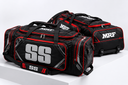
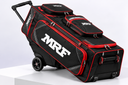
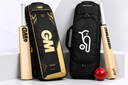

How to Clean Cricket Pads and Gloves
Pads and gloves absorb sweat, dirt and moisture every time you bat. Cleaning them the right way keeps them fresh, helps them last and prevents the smell that...
Read Now

October 28, 2026 · Shopify API
A cricket ball can travel at over 130 km/h, so the right protective equipment is not optional in hard ball cricket. This guide lists each piece of protective gear, what it does and how to choose it.
| Item | What it protects | Who needs it |
|---|---|---|
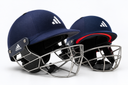
| Helmet with grille | Head and face | All batters in hard ball cricket; wicketkeepers standing up |
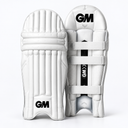
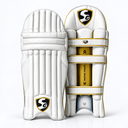
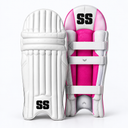
| Batting pads | Shins, knees, feet | All batters |
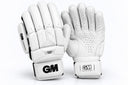
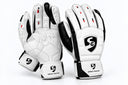
| Batting gloves | Fingers and hands | All batters |
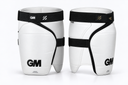
| Thigh guard | Thigh | Batters, especially against fast bowling |
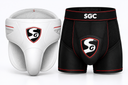
| Abdominal guard (box) | Groin | All batters and wicketkeepers |
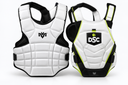
| Arm and chest guard | Arm, ribs and chest | Batters facing fast bowling, juniors |
Children should always wear a helmet, pads, gloves and a box when batting against a hard ball, in the correct junior size.
Check your equipment each season. Replace a helmet that has taken a hard impact, and any gear with compressed foam, broken straps or torn covers.
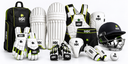
See our batting pads, batting gloves, thigh guards and complete cricket kits. For sizing help see our guides to batting pads and gloves.
Pads and gloves absorb sweat, dirt and moisture every time you bat. Cleaning them the right way keeps them fresh, helps them last and prevents the smell that...
Read Now
Starting out in cricket needs a few key items, and for young players the priority is fit and safety, not price tags or brand names. Here is what...
Read Now
A cricket ball can travel at over 130 km/h, so the right protective equipment is not optional in hard ball cricket. This guide lists each piece of protective...
Read Now
Professional cricketers are fussy about their bats, and the way they choose is worth copying. They do not buy a bat for the name on the stickers: they...
Read NowUse the tracking link in your order confirmation or shipping email.
Please review our returns page for eligibility and instructions.
Check the product details for sizing information, or contact our team for help.
Available payment methods are shown during checkout.