





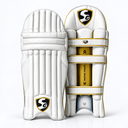
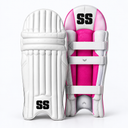

















How to Clean Cricket Pads and Gloves
Pads and gloves absorb sweat, dirt and moisture every time you bat. Cleaning them the right way keeps them fresh, helps them last and prevents the smell that...
Read Now

November 20, 2024 · Muhammad Azhar Iqbal
Choosing the right cricket bat is crucial for any cricketer, whether you’re a beginner or a seasoned player. The debate between lightweight and heavyweight cricket bats has been ongoing for years. Some players swear by the power of a heavyweight bat, while others prefer the speed and maneuverability of a lighter bat. In this post, we’ll break down the pros and cons of each, helping you decide which one is the best fit for your game.
Cricket bats are generally categorized into three weight classes:
Choosing the right weight category depends on your playing style, physical strength, and personal preference. Let’s dive deeper into the key factors to consider when deciding between a lightweight and heavyweight cricket bat.
For beginners or players looking to refine their technique, a lightweight cricket bat is usually the best option. It allows for easier control and better shot execution without the burden of additional weight. This is particularly beneficial for younger players who are transitioning to adult-sized bats.
Lightweight bats offer more flexibility in shot selection. They allow players to perform a wide range of strokes with greater ease, thanks to the faster bat speed. This can lead to better timing and placement. On the other hand, heavyweight bats may restrict your ability to execute certain shots due to their bulk.
In modern cricket, where innovative shots like switch hits and dilscoops are becoming more common, a lightweight bat provides the agility required to execute these complex strokes. The lighter weight allows for quicker grip changes and better bat control, making it the preferred choice for players looking to push the boundaries of conventional shot-making.
Using a bat that is too heavy for your strength can increase the risk of injury. Heavyweight bats, while powerful, can strain your arms, shoulders, and back, especially if used over a long period. Lightweight bats are easier on the body, reducing the risk of injury and allowing for longer playing careers.
The primary advantage of a heavyweight bat is the additional power it provides. The increased mass behind each shot allows for longer hits, even when the ball is not struck from the sweet spot. This makes heavyweight bats ideal for power hitters looking to clear the boundary more frequently.
Heavyweight bats typically come with wider edges, which can be a significant advantage. These thick edges have their own sweet spots, enabling the ball to travel further even on mishits. Lightweight bats, by comparison, have thinner edges, which may require more precision and strength to achieve the same results.
The format of the game can also influence your choice of bat. Heavyweight bats are often favored in shorter formats like T20s, where power-hitting is crucial. In these formats, players aim to hit boundaries consistently, and the extra weight of the bat can help achieve that. Conversely, in longer formats, where technique and endurance are more critical, a lightweight bat might be the better option.
Swing speed is another critical factor. Lightweight bats can be swung faster, which is beneficial for players who rely on quick reflexes and precise shot placement. However, if you can manage to swing a heavyweight bat at a similar speed, the added momentum will result in more powerful shots.
The choice between a lightweight and a heavyweight cricket bat ultimately comes down to personal preference and playing style. If you’re a player who prioritizes speed, flexibility, and technique, a lightweight bat might be the best option for you. However, if you’re a power hitter who wants to maximize the distance of your shots, a heavyweight bat could be the way to go.
Consider factors like your physical strength, the format of the game you most frequently play, and your personal comfort with the bat. Testing out different bats and weights is the best way to find the perfect match for your game.
Pads and gloves absorb sweat, dirt and moisture every time you bat. Cleaning them the right way keeps them fresh, helps them last and prevents the smell that...
Read Now
Starting out in cricket needs a few key items, and for young players the priority is fit and safety, not price tags or brand names. Here is what...
Read Now
A cricket ball can travel at over 130 km/h, so the right protective equipment is not optional in hard ball cricket. This guide lists each piece of protective...
Read Now
Professional cricketers are fussy about their bats, and the way they choose is worth copying. They do not buy a bat for the name on the stickers: they...
Read NowUse the tracking link in your order confirmation or shipping email.
Please review our returns page for eligibility and instructions.
Check the product details for sizing information, or contact our team for help.
Available payment methods are shown during checkout.